Strength Training for Older Adults: Why It Matters, and How to Get Started
Aging doesn't have to be synonymous with losing mobility, strength, and vigor to do the things you enjoy. In fact, staying physically active as you age can help you find more energy, a renewed sense of purpose, and more strength — mentally and physically. In this article, we'll dive into the importance of strength training as you age, offering actionable tips for how to start incorporating it into your preventative wellness routine today.
Benefits of strength training with age
As we grow older, our bodies naturally go through a series of changes including decreases in bone health, muscle loss (also called sarcopenia), and often a reduction in physical function. If left unmanaged, these shifts can negatively affect balance, mobility, energy levels, and overall independence.
The good news? Regular physical activity can help prevent or delay the onset of many age-related conditions, including cardiovascular disease, osteoporosis, and functional limitations. It supports stronger bones and muscles, improves joint stability, boosts balance, and helps maintain the ability to perform daily activities — from climbing stairs to carrying groceries — with confidence.
Older adults should aim for at least 150 minutes of moderate-intensity aerobic activity each week, plus at least two days of strength training on all major muscle groups. Unfortunately, less than 25% of older adults meet the exercise guidelines, missing out on the protective effects of exercise on the aging process.
Studies show that strength training can provide the following benefits for older adults:
- Lower risk of dying early from all causes
- Improved cardiovascular health
- Boosted muscular strength and power
- Positive body composition changes
- Improved physical function
- Reduced risk of osteoporosis and sarcopenia
- Reduced risk of falls
- Improved brain health and cognition
Adding strength training isn't just about better fitness; we think of it as a foundation for staying independent, capable, and engaged in life as you age.
Additional health behaviors to implement
"Strength training is just one piece of the healthy aging puzzle," says Bridget Whitman, E20 Training's Director of Programming. "Pairing it with other smart lifestyle habits can help you see better results, feel more energized, and stay consistent over time."
1. Prioritize nutrition
Nutrition plays a key role in how our bodies perform during a workout, adapt to exercise, and recover. Prioritizing adequate protein intake is essential if you're aiming to gain or maintain muscle, manage your weight, or improve body composition.
2. Be intentional with your sleep
Sleep quality and quantity both contribute to overall health. Over 33% of adults fall short on sleep, which can negatively impact hormone regulation, muscle recovery, mental focus, and energy. Regular exercise tends to improve sleep, and sleeping well helps you perform during workouts.
3. Try the 24-hour movement paradigm
Pair consistent strength training with a framework that nudges you to move more often throughout your day. Shifting even small amounts of sedentary time into activity can have meaningful benefits — stretching during your favorite show, parking farther away, or taking the longer route.
4. Stay connected
Having a community around you helps you stay accountable. Studies show that social support — from coaches, friends, and family — can be a deciding factor for older adults staying physically active. Being immersed in a community setting, like an E20 studio, increases motivation and long-term success.
How to get started safely
The benefits of strength training at any age far outweigh the risks, but it's important to follow a few key principles. First, programs should start "low and slow" — lower intensity and frequency — to let your body adapt. Over time, gradually increasing total training volume is the key. For example, a new member might aim to show up once per week for a month, then progress to two sessions per week. This science-backed approach is called progressive overload.
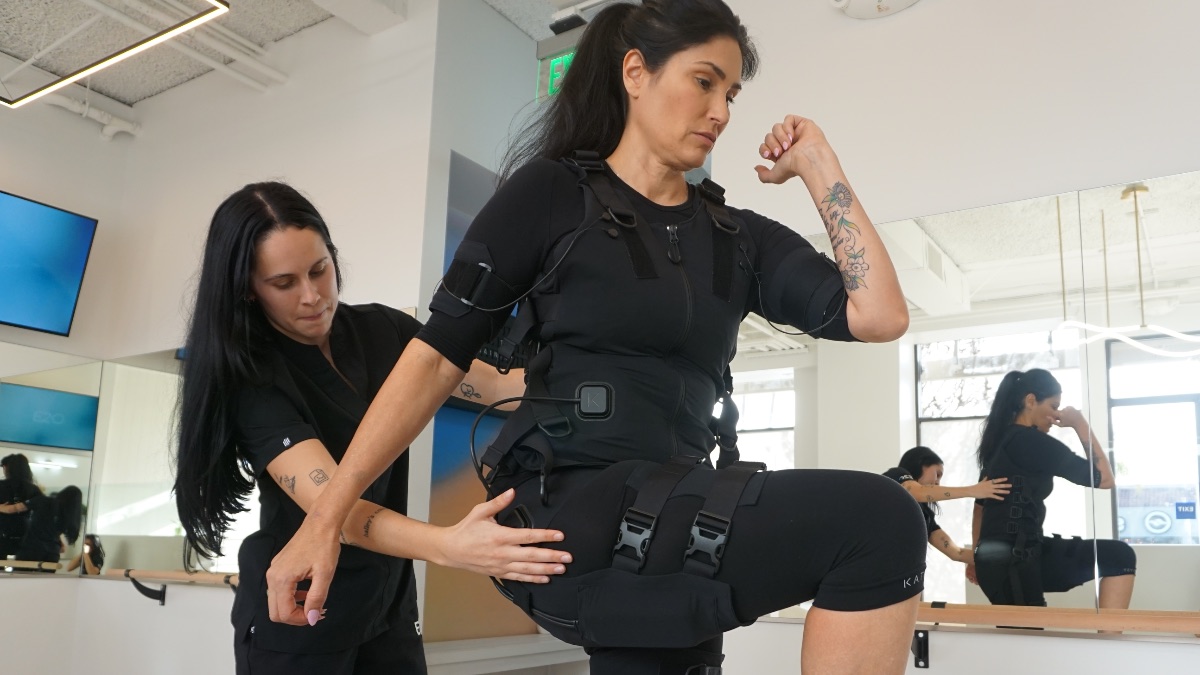
Secondly, consider working with a coach or trainer, at least as you get started, to learn safe exercise form and programming principles. At E20, our expert coaches make the process feel both approachable and personalized — whether you're strength training for the first time or adding EMS technology for extra muscle activation.
Key takeaways
- Strength training is safe and effective for older adults.
- It supports longevity, physical function, and brain, heart, and metabolic health.
- Pair it with nutrition, sleep, and community for a well-rounded approach to aging well.
- It's never too late to get started — the benefits outweigh the risks at any age.
References
- Westerterp, K. R., & Meijer, E. P. (2001). Physical activity and parameters of aging. J Gerontol A Biol Sci Med Sci, 56.
- American College of Sports Medicine. (2009). Exercise and physical activity for older adults. Medicine & Science in Sports & Exercise, 41(7), 1510–1530.
- Penn State University. (2016). Strength training helps older adults live longer.
- Seguin, R., & Nelson, M. E. (2003). The benefits of strength training for older adults. American Journal of Preventive Medicine, 25.
- Smolarek, A. C., et al. (2016). The effects of strength training on cognitive performance in elderly women. Clinical Interventions in Aging, 11, 749–754.
It's never too late to get stronger.
Joint-friendly, coached, and built around you. Start with a single twenty-minute session.
Book Your First Session