On Weight Loss Medications? Here's Why Strength Training Is a Non-Negotiable
New global guidelines are reshaping how weight loss medications should be used, and exercise plays a central role.
In December of 2025, the World Health Organization (WHO) released new global guidance on weight loss medications like GLP-1s (glucagon-like peptide-1), recommending they be used alongside lifestyle interventions. Eating well, engaging in regular physical activity, prioritizing strength training, and prioritizing sleep are the lifestyle interventions they cite as being key for long-term success and health.
The WHO's approach reflects a growing focus on improving body composition, metabolic health, and physical function, rather than body weight alone. Strength training supports these outcomes by helping maintain muscle, strength, and energy levels during periods of weight loss.
This is where E20's efficient, muscle-focused training model fits naturally into a comprehensive care approach. In this blog post, we'll break down the science behind exercise and weight loss medications, why strength training matters, and how E20 Training can support your body composition and long-term health goals.
What is obesity and why does it matter?
Obesity is now widely recognized as a serious, chronic disease, not a personal failure or lack of willpower. According to the Centers for Disease Control and Prevention (CDC), obesity is influenced by a wide range of factors beyond individual behavior, including genetics, biology, environment, stress, sleep, and even access to healthcare.
People with obesity are more likely to have the following health conditions:
- Cardiovascular disease
- Type 2 diabetes
- Certain cancers
- Osteoarthritis and some mobility limitations
- Lower quality of life
Because obesity is complex, effective treatment must be comprehensive, addressing not only body weight but also metabolic health, physical function (how well you can move your body), and long-term success with keeping excess weight away.
How many adults in the U.S. are using GLP-1 medications?
While precise, real-time prescription counts are hard to track, it's clear that GLP-1 medication use has increased rapidly over the last two years. This rise is happening alongside the reality that obesity remains highly prevalent in the U.S., with about 41.9% of adults age 20 and over living with obesity.
As access to and awareness of GLP-1 medications has expanded, more adults are exploring them as part of a broader approach to weight loss and metabolic health. Industry analyses highlight that GLP-1 use is growing among midlife adults, including women navigating perimenopause and menopause, where weight and metabolic shifts are common.
This growing interest underscores the importance of coordinated care models, like the partnership between E20 Training and Lindora, that intentionally combine medical treatment (supervised by healthcare providers) with evidence-based strength training to support long-term health.
What the research says about exercise and weight loss medications
Emerging research in the era of contemporary weight loss medications underscores that exercise still plays a critical role, alongside nutrition and stress management. A recent paper highlights that while GLP-1 and other obesity management medications are highly effective at promoting weight loss, exercise adds important benefits that medications alone don't fully provide.
This perspective is echoed by a recent paper published by the American College of Sports Medicine (ACSM), which emphasizes that physical activity should be a core component of obesity care. ACSM notes that the value of exercise extends beyond the scale, supporting cardiorespiratory fitness, muscle function, metabolic health, and quality of life, regardless of the amount of weight lost.
Some of the benefits of strength training include:
- Improved muscular strength and power
- Better physical function
- Combatted age-related muscle mass loss
- Protection of bones and joints
- Enhanced daily life
- Weight management
- Improved mood and energy levels
While exercise can make it easier to maintain weight loss, it also improves fitness, strength, function and metabolic health, even when medication is effective. Using a structured training program can help ensure that you preserve functionality and lean mass while you meet your body weight goals. Plus, it can improve your mental health and aid in stress management.
How EMS can support your weight loss approach
For individuals using weight loss medications, efficiency and consistency matter, especially when energy levels, schedules, or prior exercise experience vary. This is where EMS training at E20 can be a valuable complement to your exercise plan — or help you get started altogether.
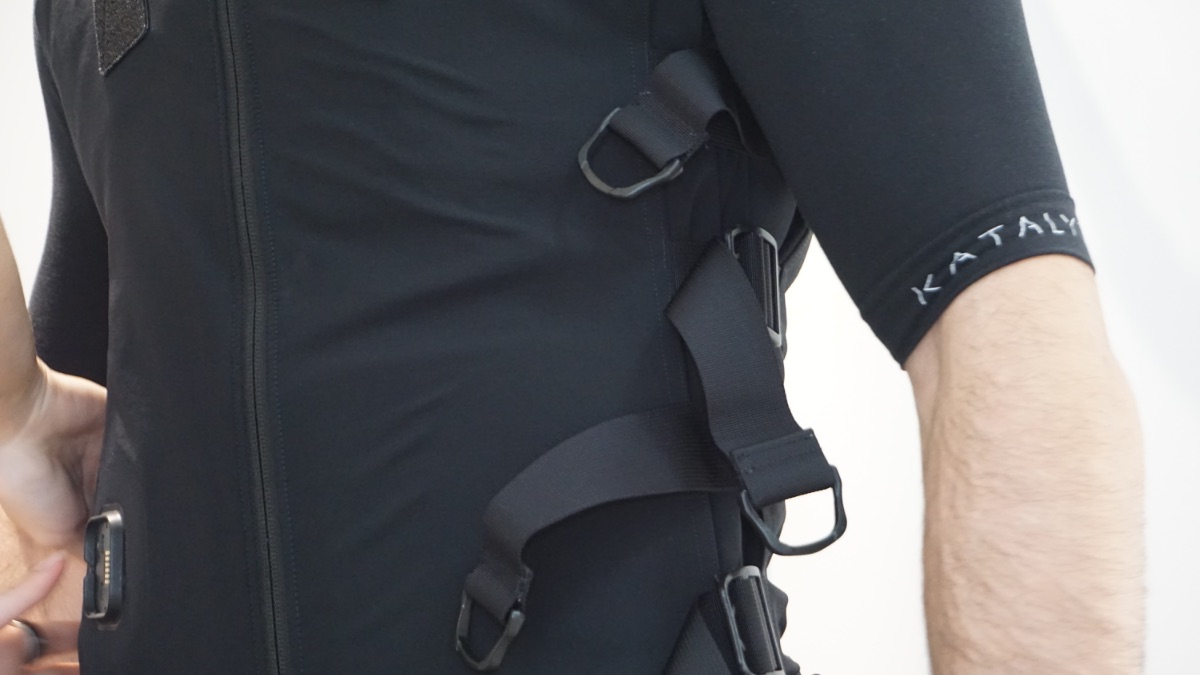
At E20 Training, our highly trained coaches use EMS to enhance traditional strength training by recruiting large muscle groups simultaneously. This increases the intensity of muscle contractions during guided movements, which can support strength development and improve the efficiency of your session.
If you're on GLP-1 medications, EMS training offers a time-efficient, structured approach to strength training that supports maintaining muscle mass without requiring long, high-volume workouts. When paired with medical weight loss interventions, EMS training can bridge the gap between weight loss and whole-body health.
Our coaches reinforce that preserving (or building) strength, movement quality, and metabolic health is just as important as the changes you may see on the scale.
Key takeaways
- Anti-obesity medications, like GLP-1s, alone are not enough for sustainable health. Obesity is a chronic disease, which requires a comprehensive approach for long-term management.
- Millions of adults are turning to medications to support weight loss. The WHO's guidelines recommend combining medications with lifestyle changes, including strength training and behavioral support.
- Pairing medication, exercise, and behavioral support from E20 coaches leads to more sustainable outcomes.
- If you're using weight loss medications, or considering them, don't skip strength training. It's essential for preserving muscle, metabolism, and physical function.
- EMS training offers an efficient, science-backed way to support resistance training.
References
- World Health Organization. (2025, December 1). WHO issues global guideline on the use of GLP-1 medicines in treating obesity.
- Centers for Disease Control and Prevention. (2024, May 14). Adult obesity facts. U.S. Department of Health and Human Services.
- Current Sports Medicine Reports. (2025, August). The role of exercise in the contemporary era of weight loss medications.
- Translational Journal of the American College of Sports Medicine. (2024, October). Physical Activity and Excess Body Weight.
Strength training, made simple.
Preserve muscle and metabolism on your weight-loss journey — in twenty efficient minutes, coached every step.
Book Your First Session